


April 25, 2024
News Release: Alberta Chooses Racetrack Over Threatened Species Protection
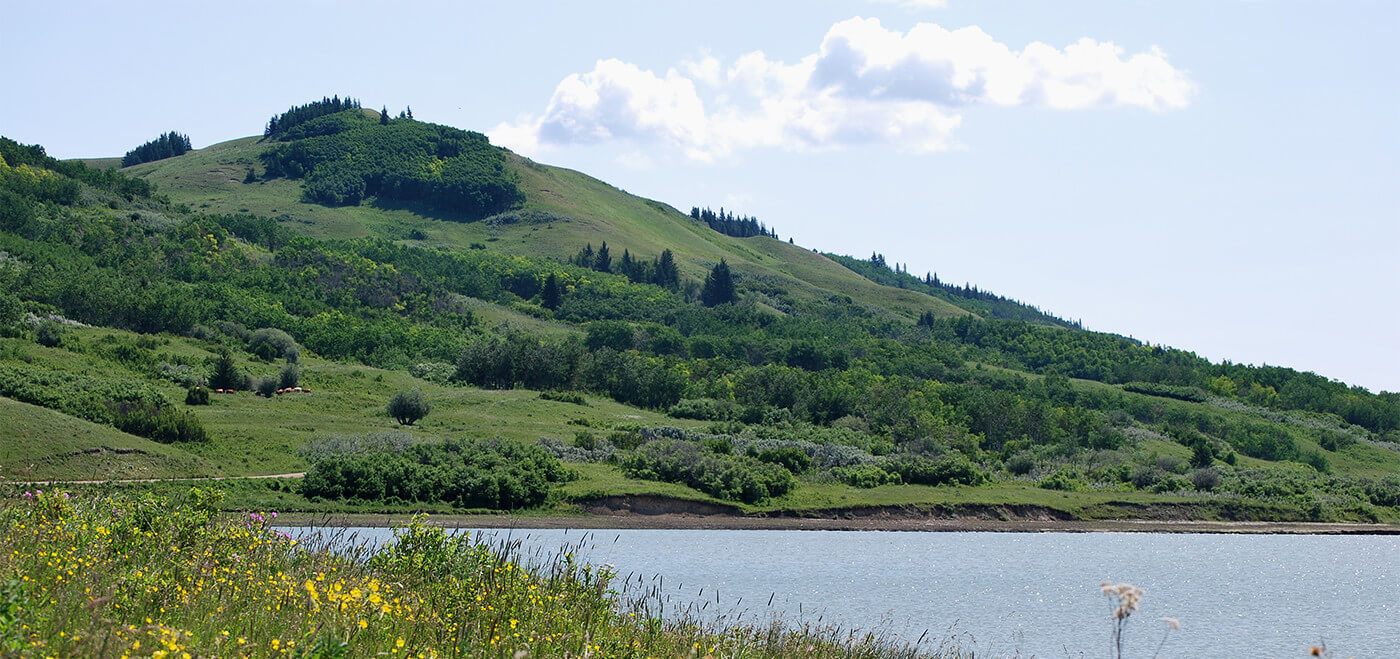
Rosebud Valley is an ecologically important region and provides habitat for bank swallow and other…

Species at risk are the canary in the mine for our relationship with the earth.
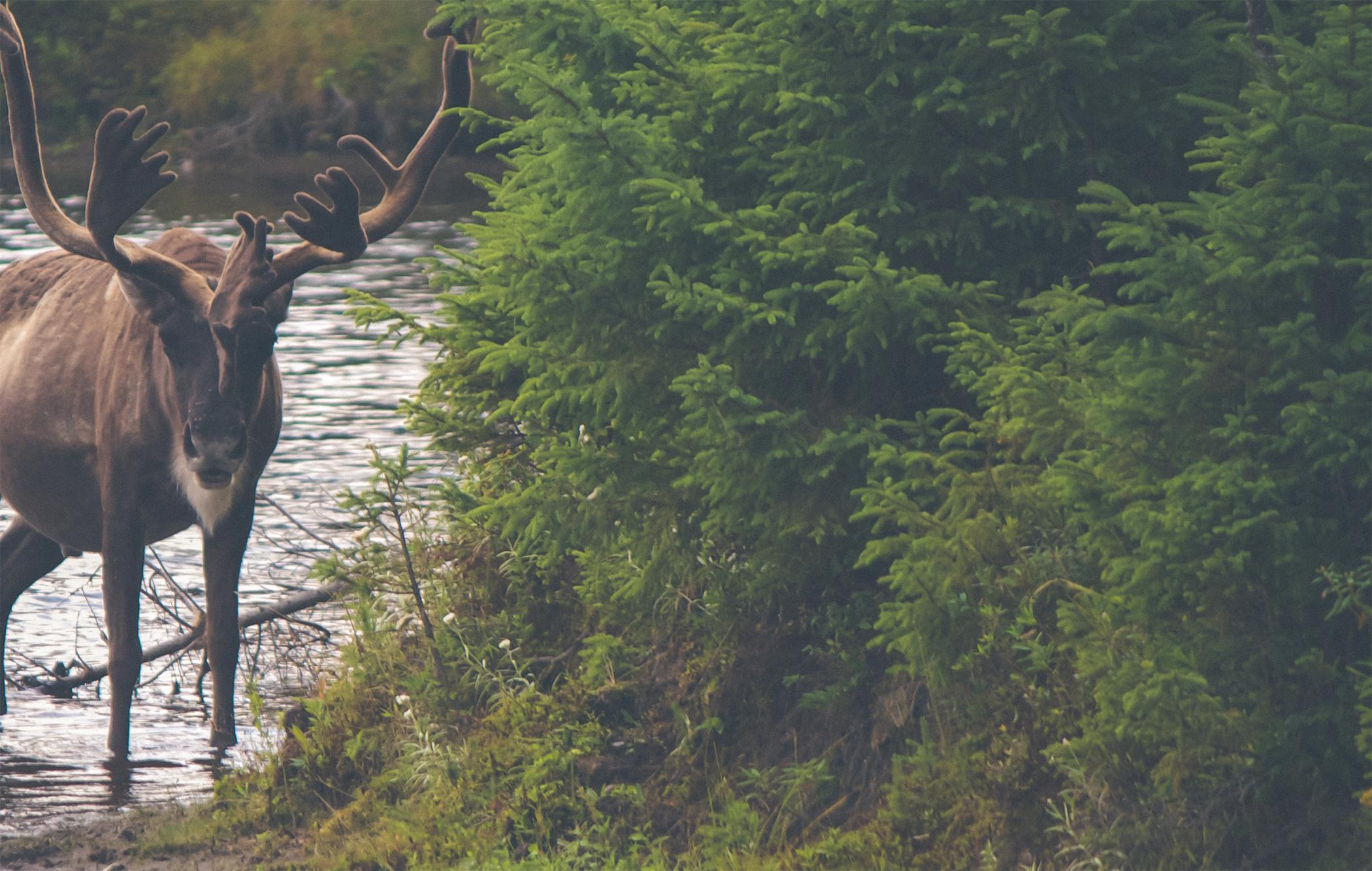
Be they butterflies, snails or the more visible grizzly bear and woodland caribou, their loss is a direct example of society’s failure to manage the environment in a sustainable, renewable way. AWA will continue working to ensure that the habitat of species-at-risk and other wildlife is secure through the establishment of designated protected areas. AWA will also continue to support efforts that improve species-at-risk legislation and to enforce existing legislation in the spirit with which these laws were created.
Indigenous and local varieties of plant and animal life are vital components of a wilderness landscape. Some species are especially sensitive to human activity and are worthy of special management to prevent their extinction or extirpation.
Legally, species-at-risk do not receive adequate protection in most cases throughout Alberta. Recently introduced federal legislation only protects species on federal lands, while provincial legislation only sets up optional recovery plans without legal obligations to protect habitat.
The major gap between the current legal definition of protection and a scientific one is that the species and its individual “nest, den or shelter” are protected by law, but habitat – key to the survival of individual organisms and the long-term survival of a species – is not protected in most of Alberta’s landscapes.
At least five species are missing from Alberta’s landscapes: the extinct Banff long-nosed dace (extinct in 1986); plains grizzly bear and plains wolf (extirpated pre-1900); black-footed ferret (extirpated 1974, no longer any wild populations in Canada); and greater prairie chicken (extirpated 1990).
Many more species are on the brink of extinction: there are currently at least 41 Threatened or Endangered species in Alberta, 15 of which are listed by the province and 37 by the federal government.
Indigenous and local varieties of plant and animal life are vital components of a wilderness landscape. Some species are especially sensitive to human activity and are worthy of special management to prevent their extinction or extirpation. Legally, species-at-risk do not receive adequate protection in most cases throughout Alberta. Recently introduced federal legislation only protects species on Federal lands, while provincial legislation only sets up recovery plans without legal obligations to alter industrial development practices.
The major gap between the current legal definition of protection and a scientific one is that the species and its individual ‘nest, den or shelter’ are protected by law, but habitat- key to the survival of individual organisms and the long-term survival of a species- is not protected in most of Alberta’s landscapes. Until adequate legislation is in place, AWA will continue working to ensure that species-at-risk and other wildlife habitat is secure through the establishment of designated protected areas.
Each species-at-risk faces specific threats that jeopardize its existence. Some species are naturally rare in the world, like the Banff springs snail, which occurs only in a few hot springs in a single watershed. Other species are more common in some places but rare in Alberta (e.g., burrowing owl). Still other species were once abundant, but through years of neglect, industrial activities or over-hunting, they have declined to rarity (e.g., woodland caribou) or have gone extinct (plains grizzly). All species-at-risk are currently rare, often declining in number and vulnerable to extinction from human activity.
The common thread among species-at-risk conservation is that the probability of their extinction is directly related to habitat amount.
Most species-at-risk legislation in Canadian provinces and SARA, the federal Species at Risk Act, do not adequately address habitat protection.
While habitat loss is the main factor affecting species survival, other factors are also working against at-risk species. These other factors are known as the “extinction vortex” by conservation biologists and include environmental and demographic stochasticity.
April 25, 2024
Rosebud Valley is an ecologically important region and provides habitat for bank swallow and other…
April 25, 2024
The following news release was sent by Save the Rosebud, who have worked with AWA…
January 30, 2024
On Friday, January 19, 2024, the Government of Alberta finally released the long awaited…
January 28, 2024
By Lorne Fitch Bull trout, Alberta’s native fish, have swum the province’s waters since the…
December 30, 2023
By Lorne Fitch To say the sights and sounds of nature inspire me seems trite…
October 30, 2023
Read the pdf version here. When greater sage-grouse was proposed for listing under the United…
October 18, 2023
While human encounters with grizzly bears are quite common, grizzly bear attacks are rare, and…
October 10, 2023
In 2020, Alberta and Canada signed a caribou conservation agreement under Section 11 of the…
May 8, 2023
Hello Calgarians, On May 16, our city council will hear submissions on the first development…
January 19, 2023
Wild Lands Advocate article by: Lorne Fitch, P. Biol. Click here for a pdf version of…
December 29, 2022
Wild Lands Advocate article by: Ruiping Luo Click here for a pdf version of the article….
November 22, 2022
Next month, representatives and governments from around the world will gather in Montreal for the…