



Introduction
Alberta's wildlands
Wilderness exists where large areas are characterized by the dominance of natural processes, the presence of the full complement of plant and animal communities characteristic of the region, and the absence of human constraints on nature.
- AWA Position Statement on Wilderness
Alberta's wild lands tie together all other aspects of the province's wilderness. They provide habitat for the wildlife that call them home, and provide a setting for healthy headwaters, wetlands and aquatic ecosystems. They regulate the climate, filter the air and absorb, purify and slowly release water to benefit all living things.
From the vast Boreal forests of the north to the unique prairie grasslands to the south, Alberta's wild lands are made up of six varied natural regions and 21 natural subregions, each hosting a distinct set of species, and each contributing a valuable piece to the mosaic that is Alberta's wilderness:
- The northern Boreal natural region covers 57% of the province's area, and is home to Alberta's portion of the great Boreal forest.
- The far northeast is home to a corner of the Canadian Shield natural region, with its rocky and sandy moonscapes.
- The southwestern fringe forms the eastern slopes of the Rocky Mountains, and there lie the headwaters for most of the river systems bringing water to Canada's prairies.
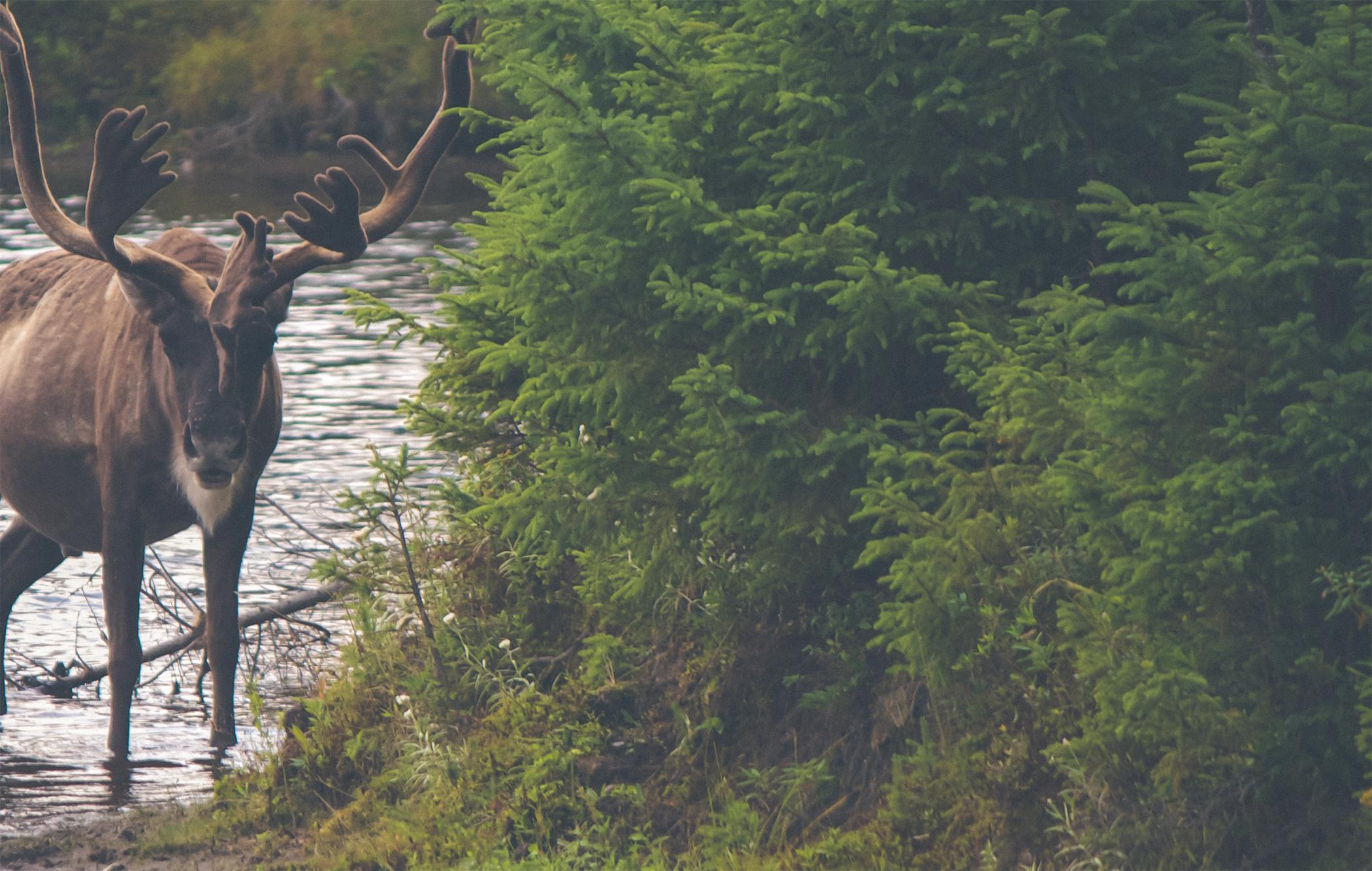
- Where the Boreal meets the Rockies lies the Foothills natural region, home to Grizzlies, Caribou, and many other of Alberta's large mammals.
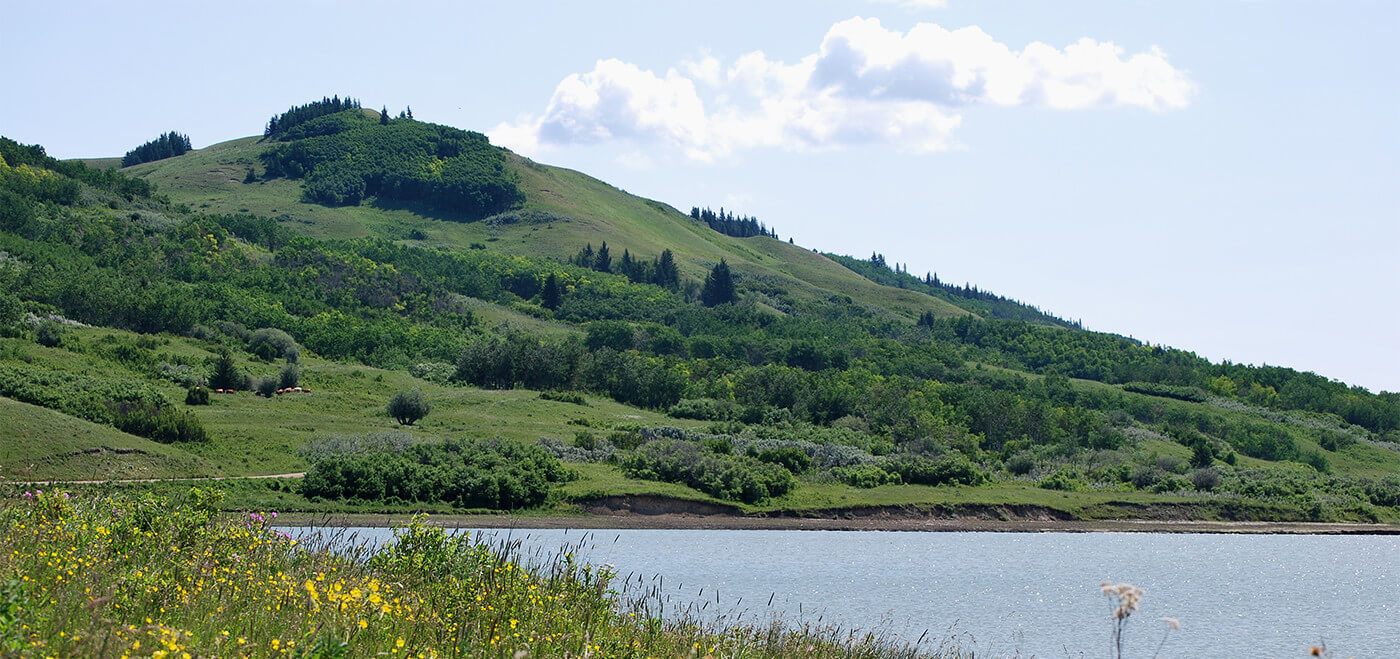
- Most of the province's human population resides in the Parkland natural region, arcing across much of central and eastern Alberta.
- The remaining, southeastern seventh of the province by area is covered by the Grasslands, habitat to one of the greatest diversities of North America's threatened species.


